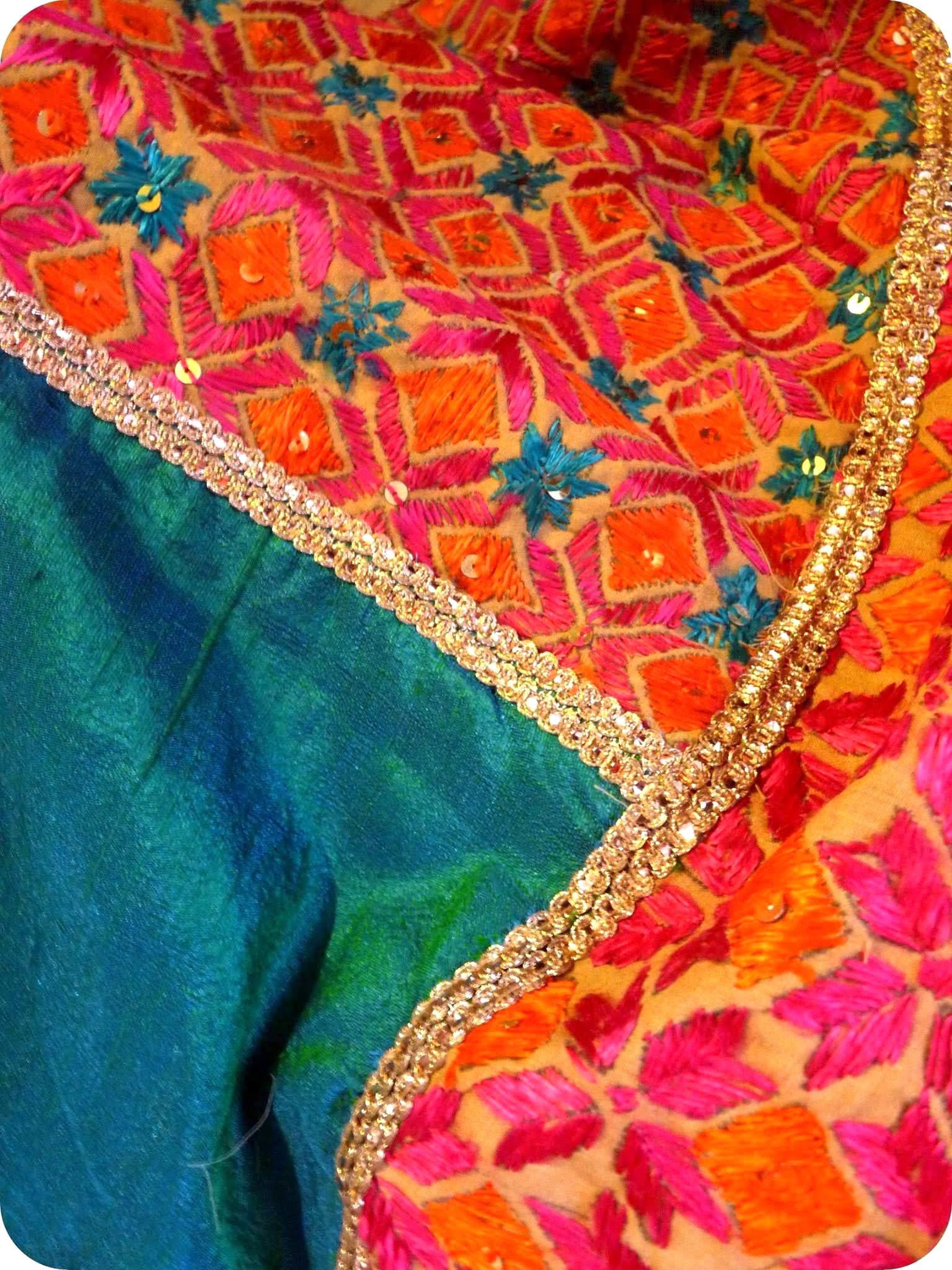
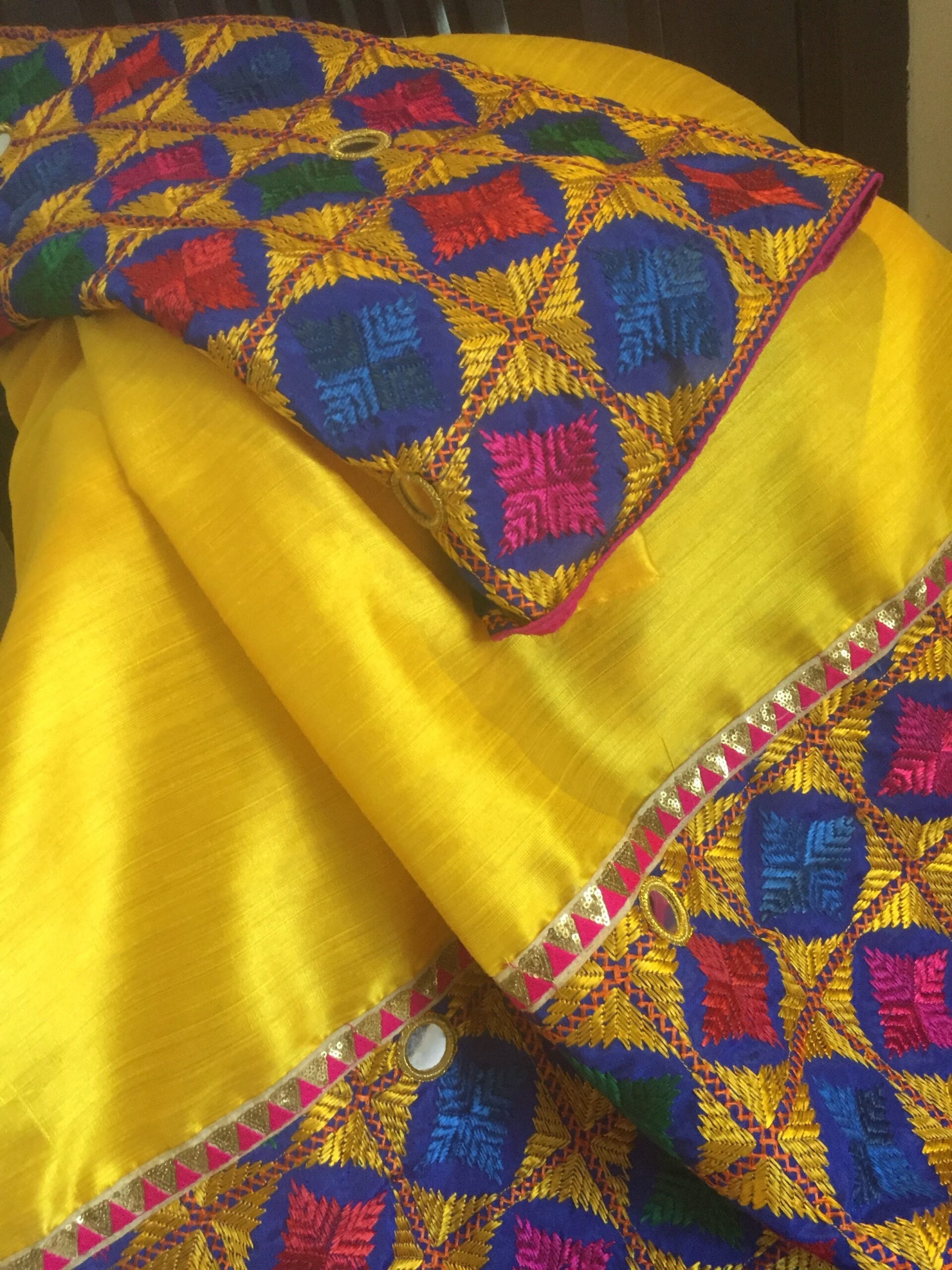
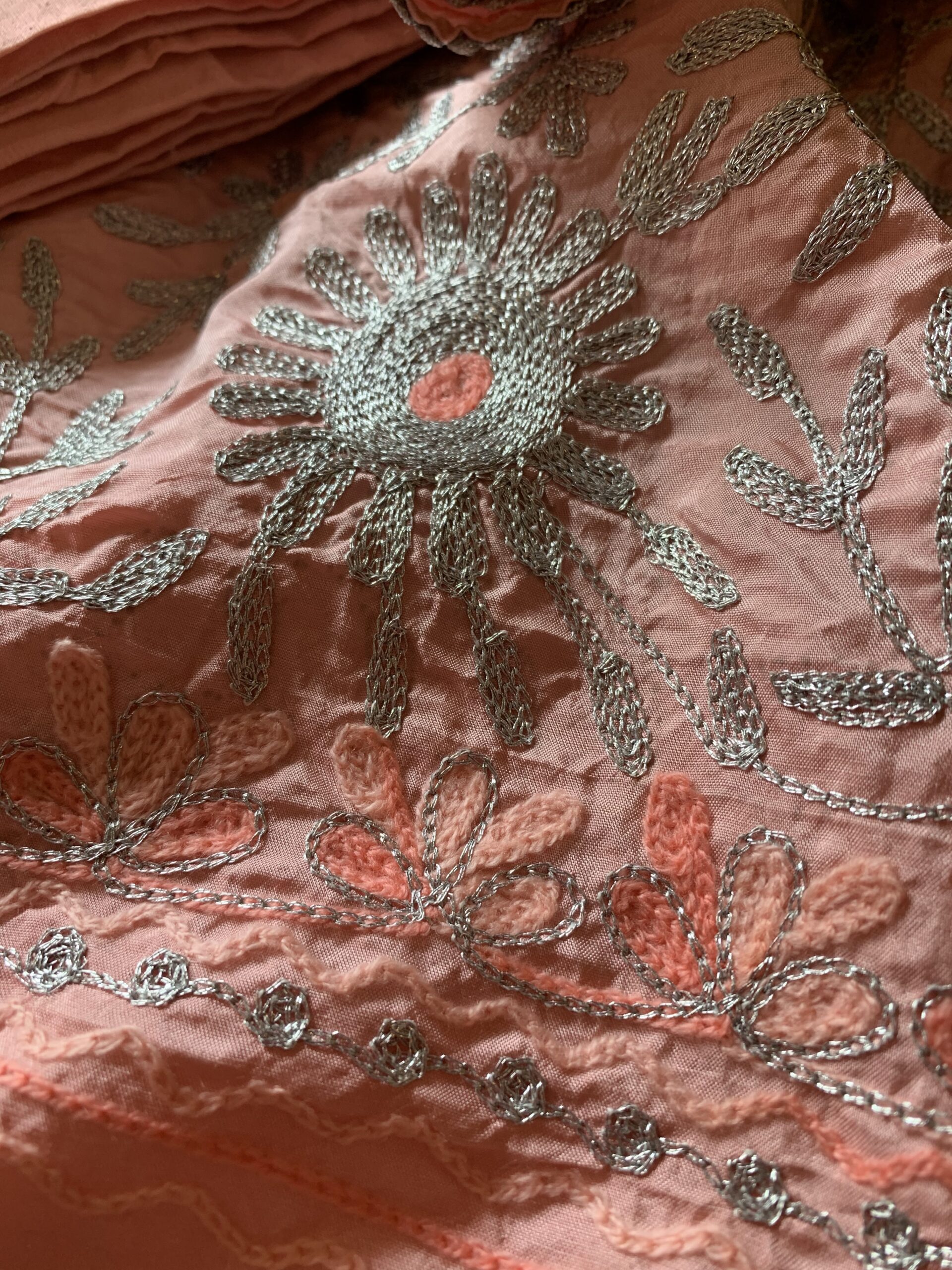
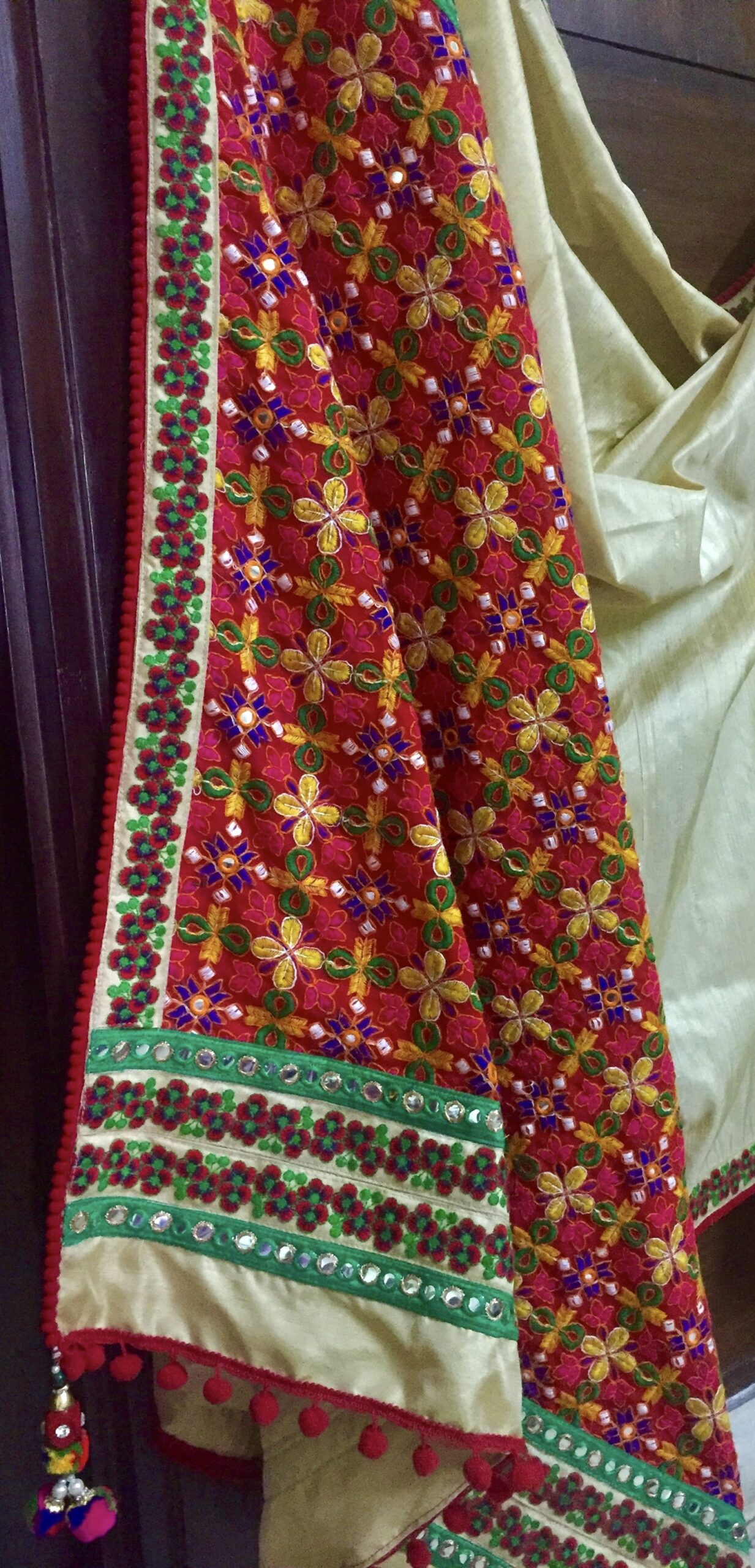
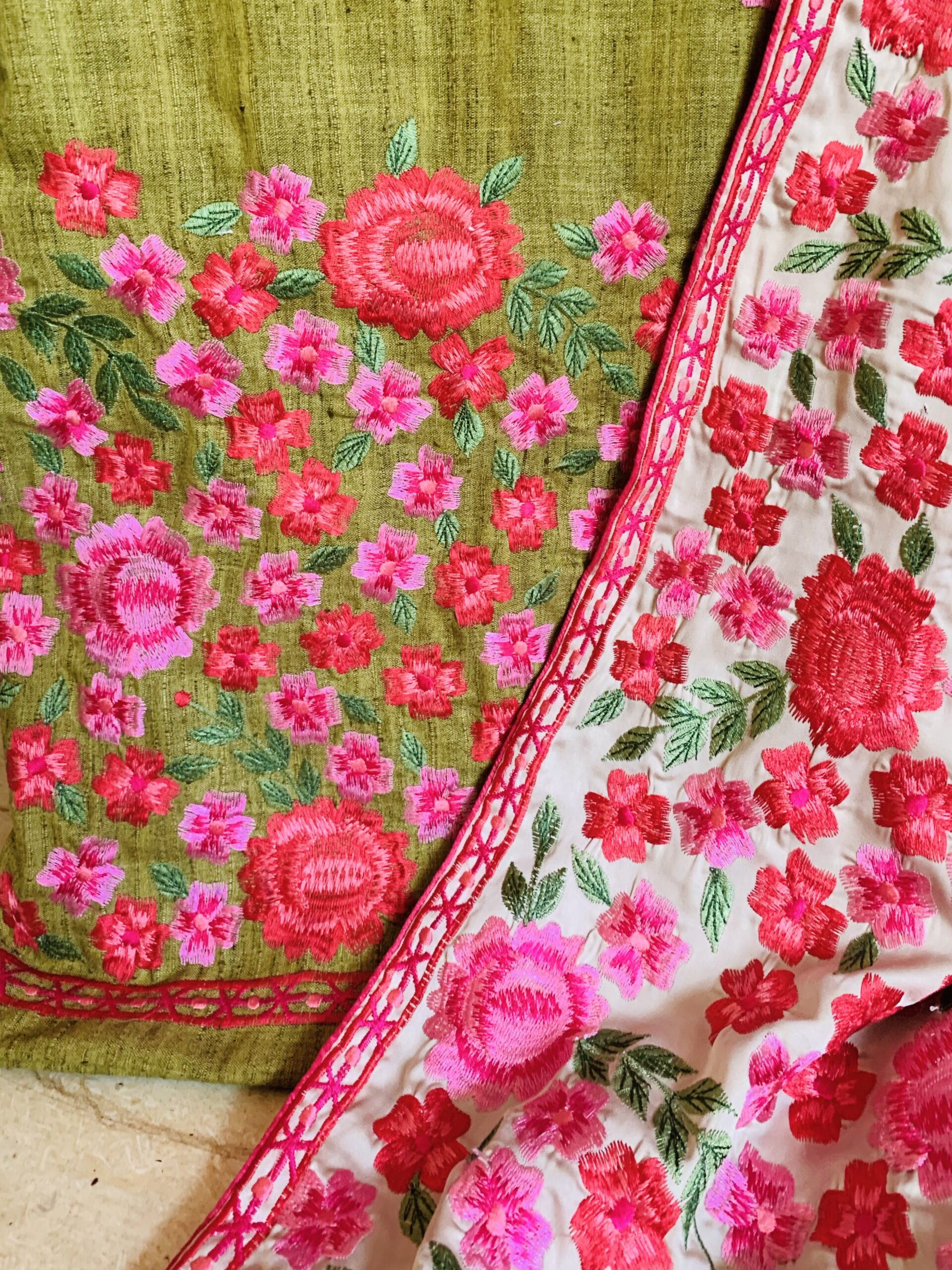
A renowned hand embroidery style from Punjab, literally translating to "flower work" (phul means flower kari means work)
Bagh Phulkari (the traditional one)The name Bagh literally translates to "garden," as the extensive, vibrant embroidery makes the fabric appear like a blooming garden. It is deeply rooted in Punjabi culture and tradition, historically created by women for family use on special occasions like weddings and festivals, often as part of a bride's trousseau.
Parsi Phulkari is not a distinct, traditional style but contemporary and a more popular one that feature Parsi style motifs & stitches.
KANTHA STORIES
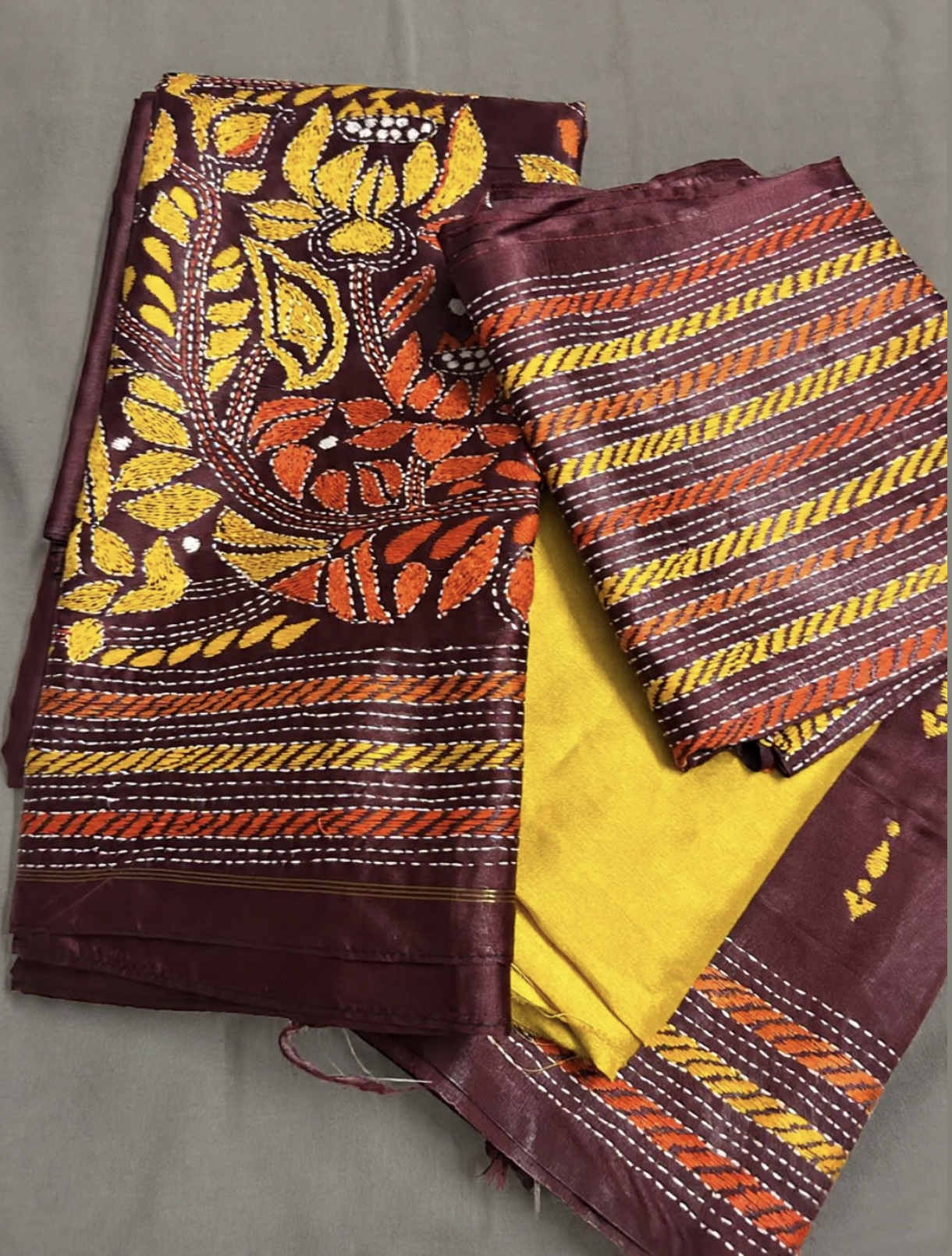
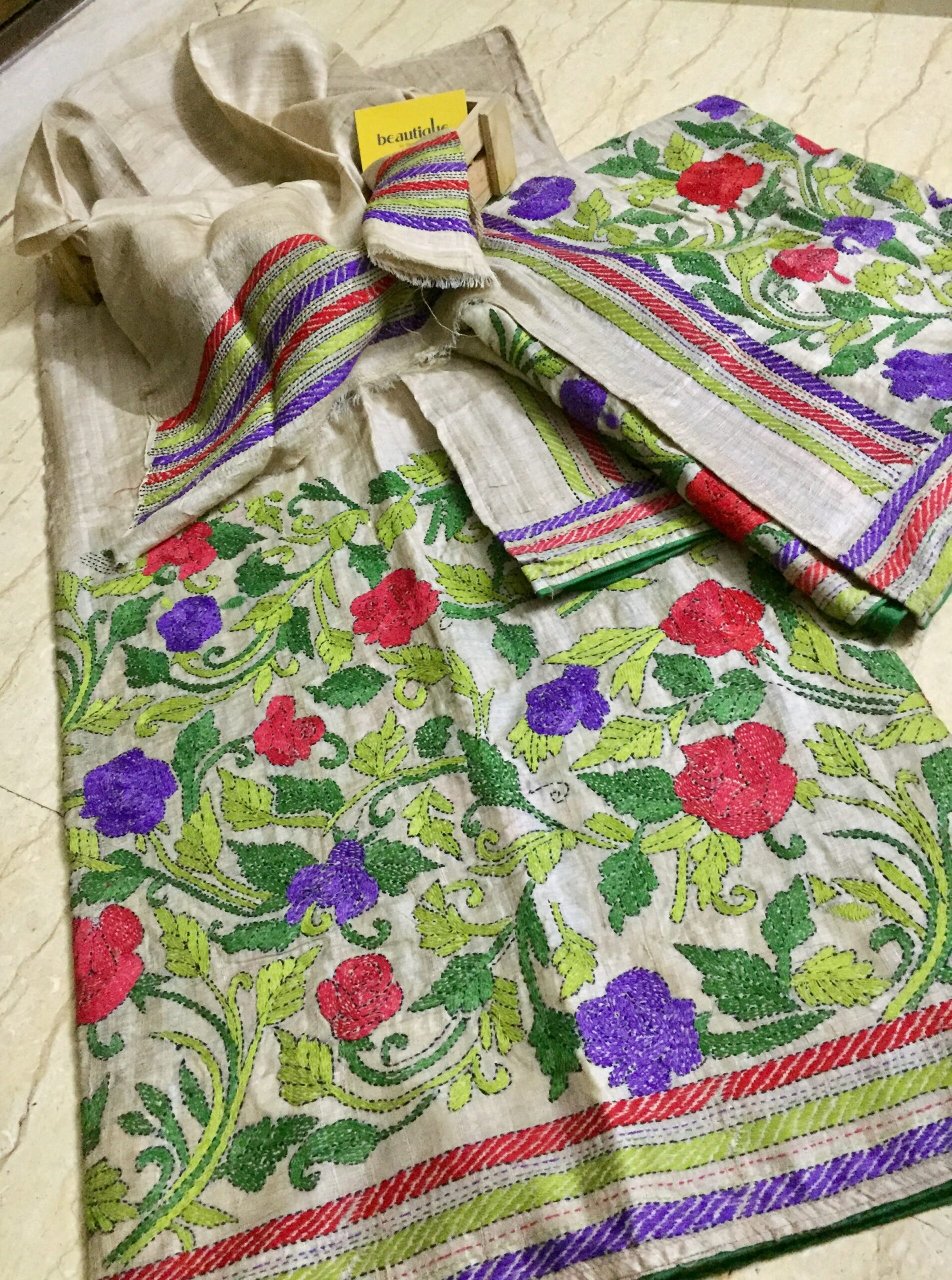
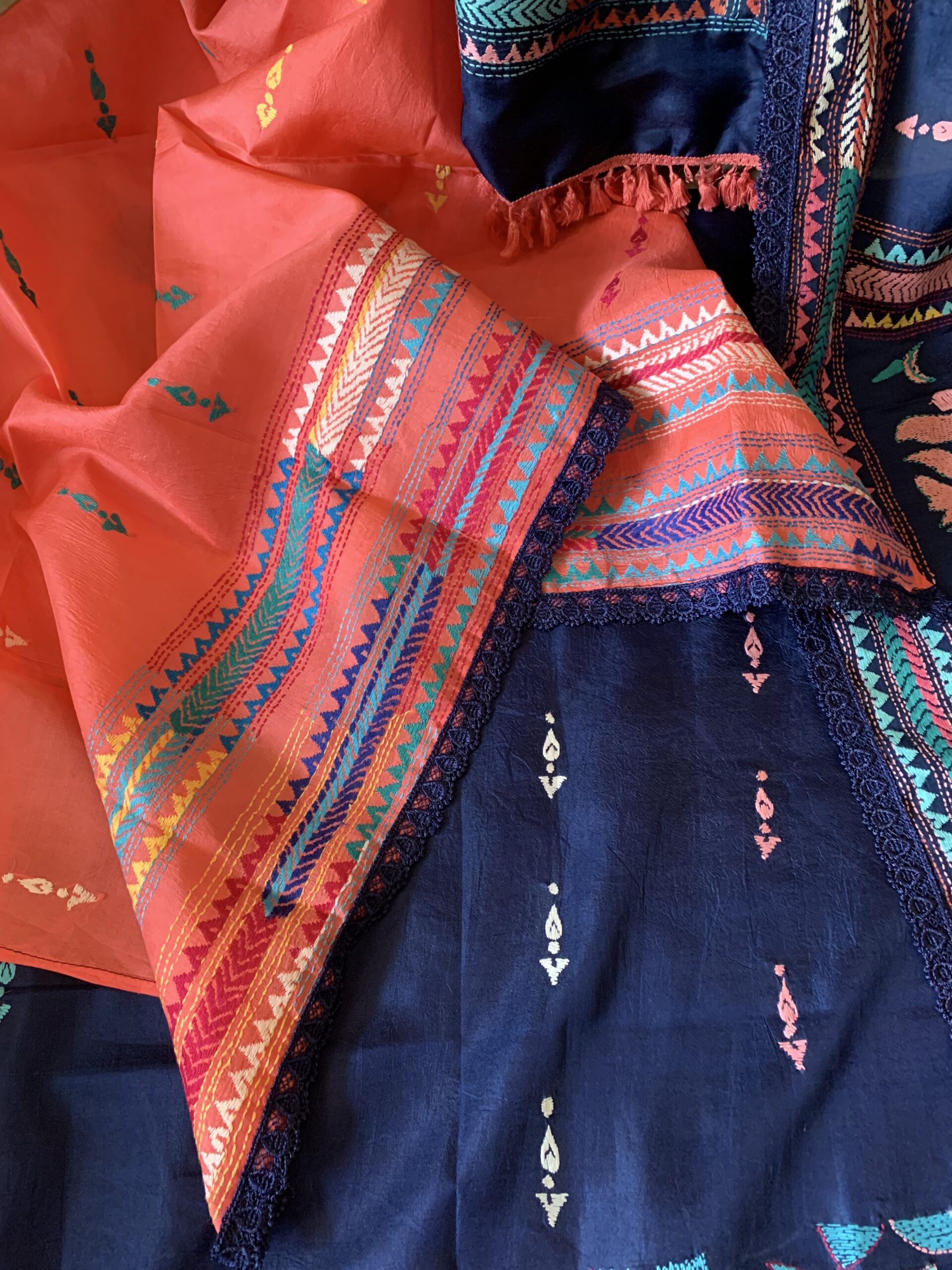
Kantha embroidery originated in Bengal is a modern adaptation of the centuries-old traditional Kantha embroidery, which was historically used to create functional household items like quilts and blankets from layered old fabrics like torn sarees. It is primarily defined by the versatile running stitch, known locally as kantha phor. This simple, straight stitch is the foundation of the craft, used to bind layers of fabric together and create a textured, slightly rippled surface. In the 20th century, the craft faced a decline but was later revived as a commercial art form, transitioning from a domestic necessity to a significant trend in Indian fashion as Kantha Sarees. The shift from utilitarian quilts to wearable fashion like sarees was not a continuous tradition but a deliberate revival and commercialization process
THE LEGACY OF CHIKANKARI
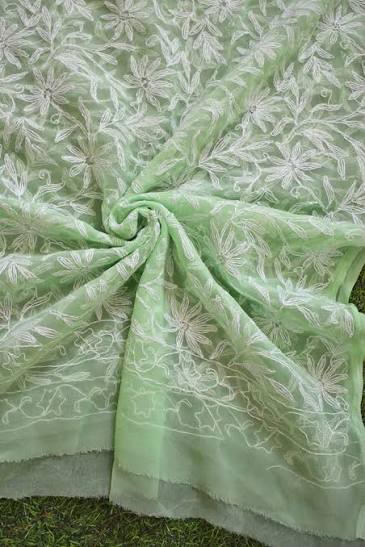
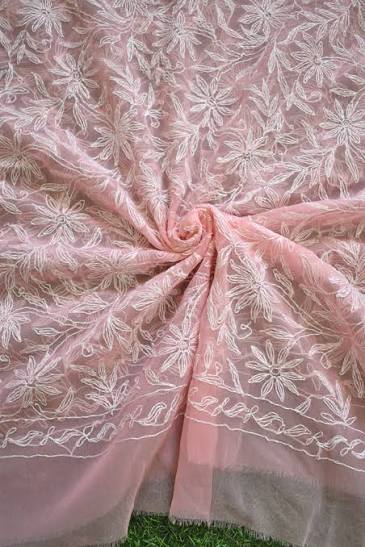
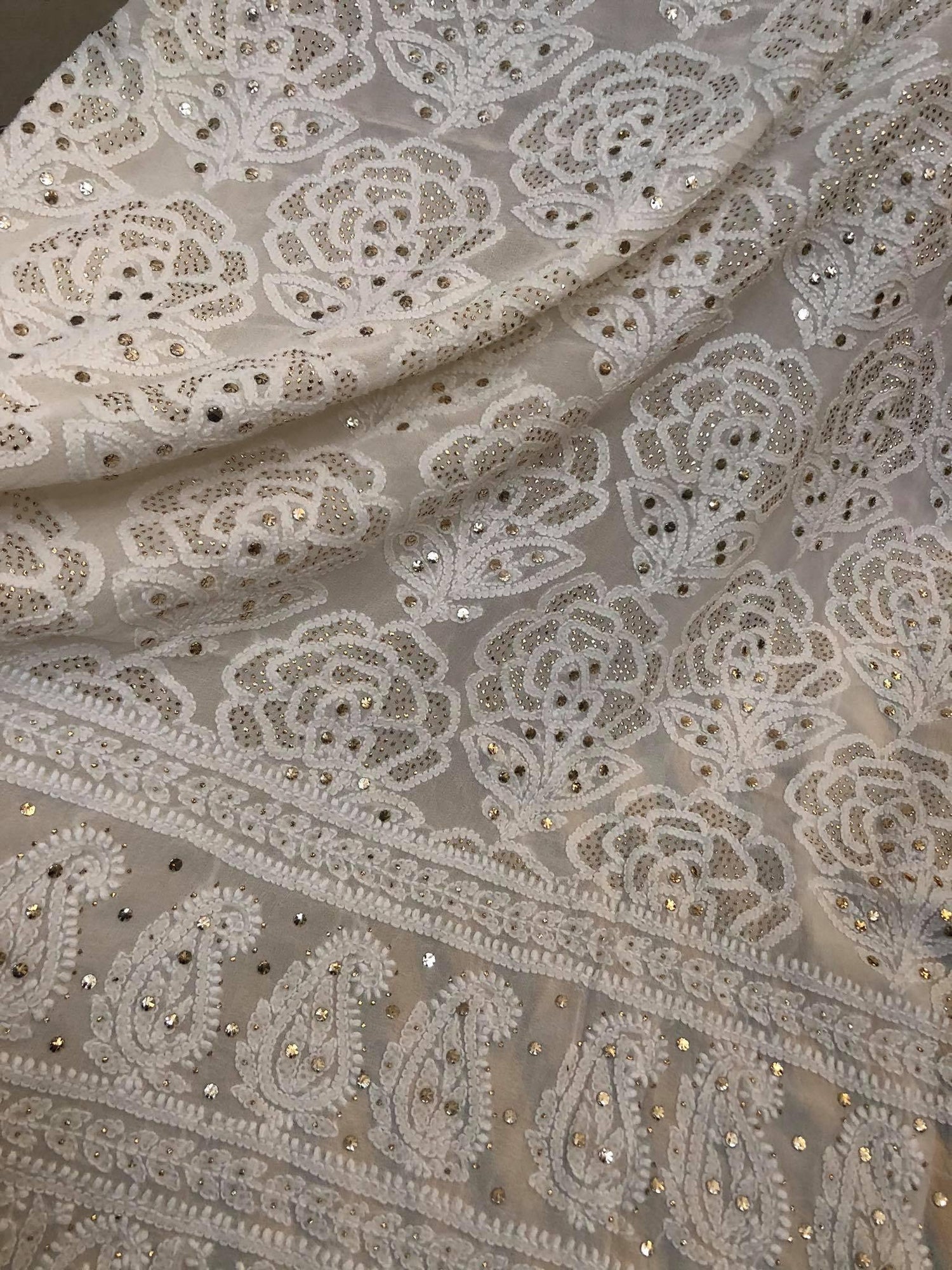
Chikankari is a renowned, delicate, and artistic traditional hand embroidery style that originated and flourished in Lucknow. The word Chikan is derived from the Persian word chikeen or chikan, meaning "embroidered fabric". This craft is famous for its subtle elegance and intricate shadow work, with artisans typically using fine white cotton thread on soft, light fabrics. Originally, it was exclusively "white-on-white" embroidery on fine white muslin. Today, it has evolved to incorporate colored threads and a variety of fabrics like viscose, linens, georgettes, silks, organzas, to name a few.
GUJARATI / SINDHI / KUTCH DIARIES
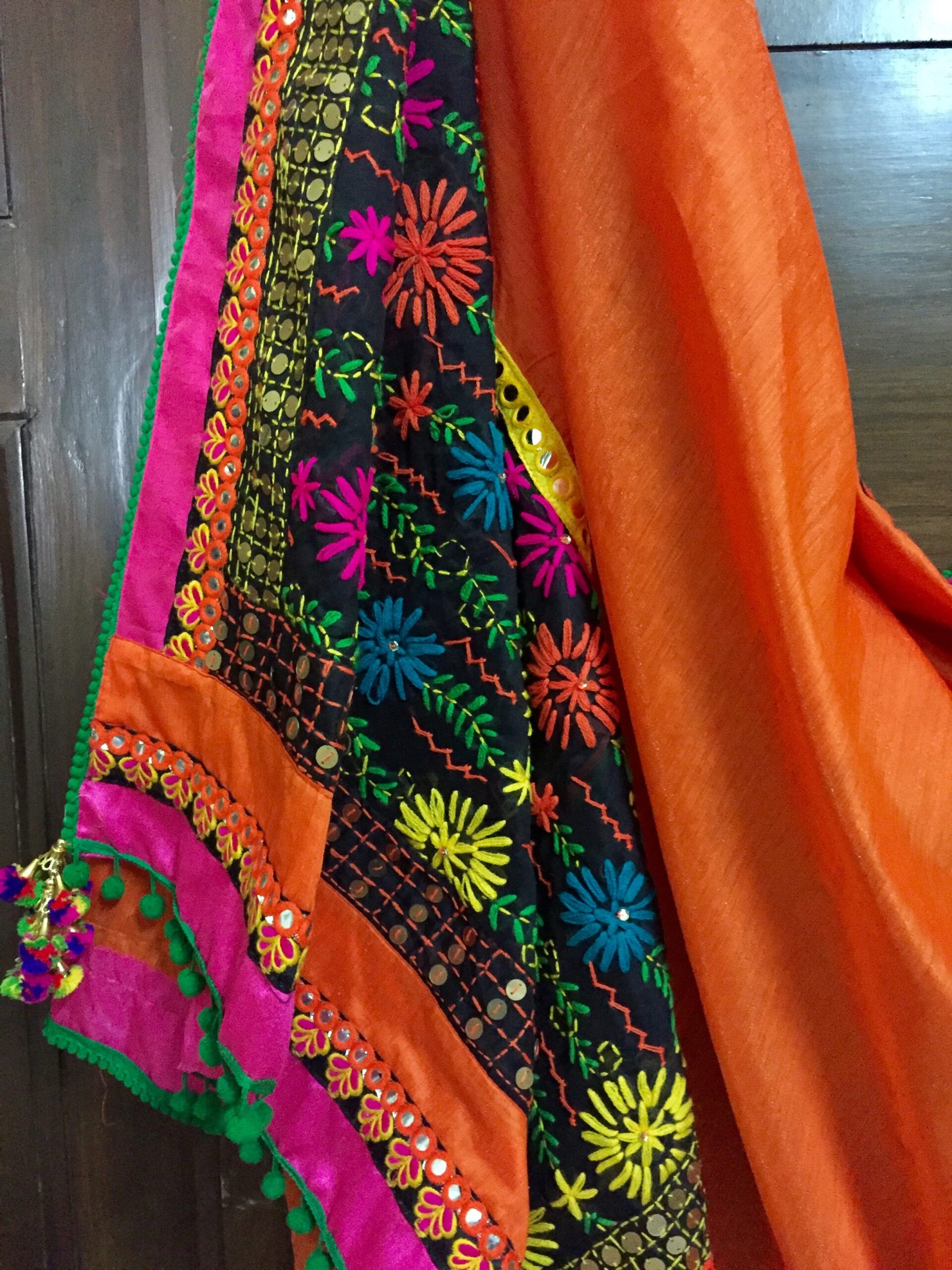
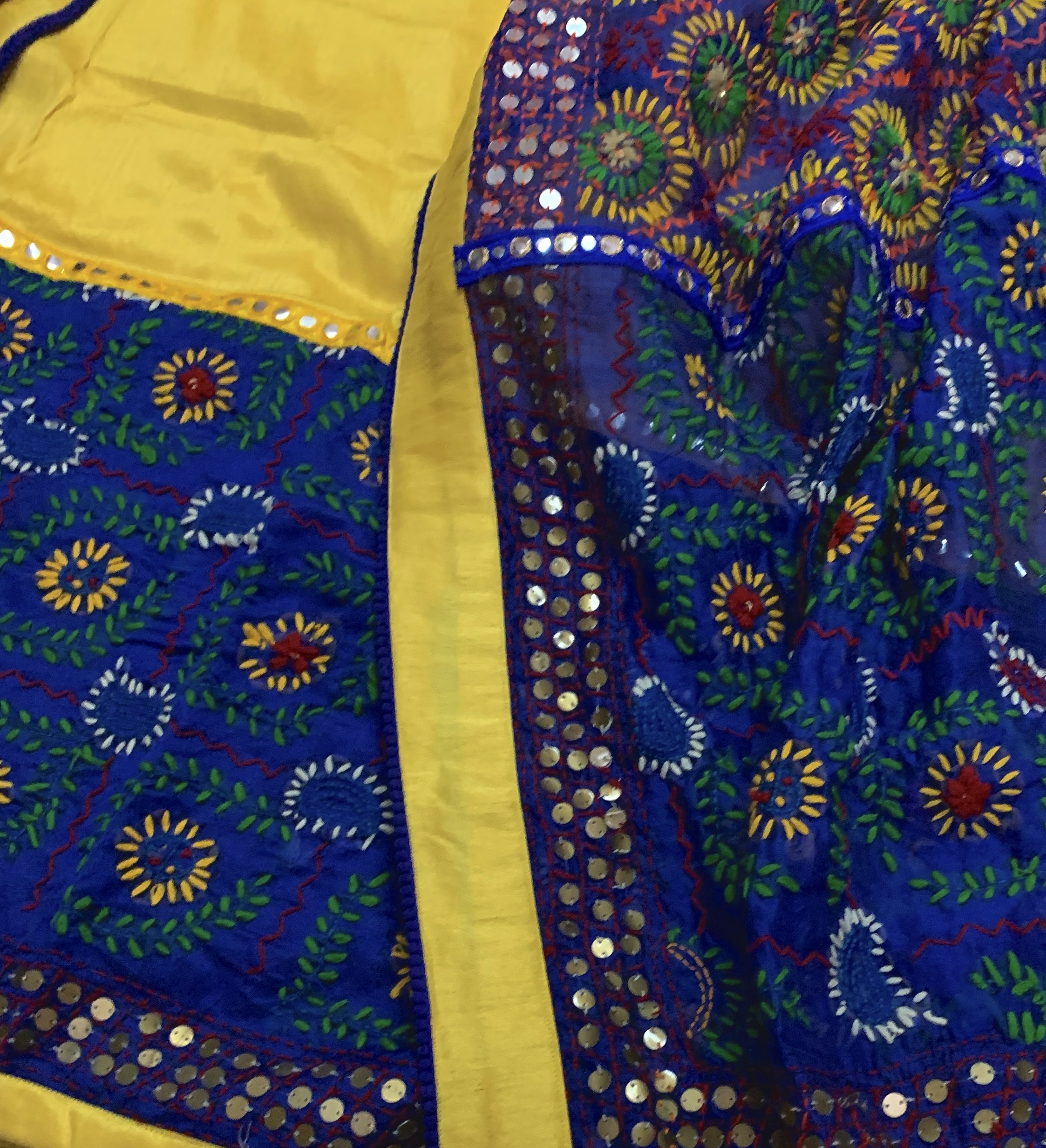
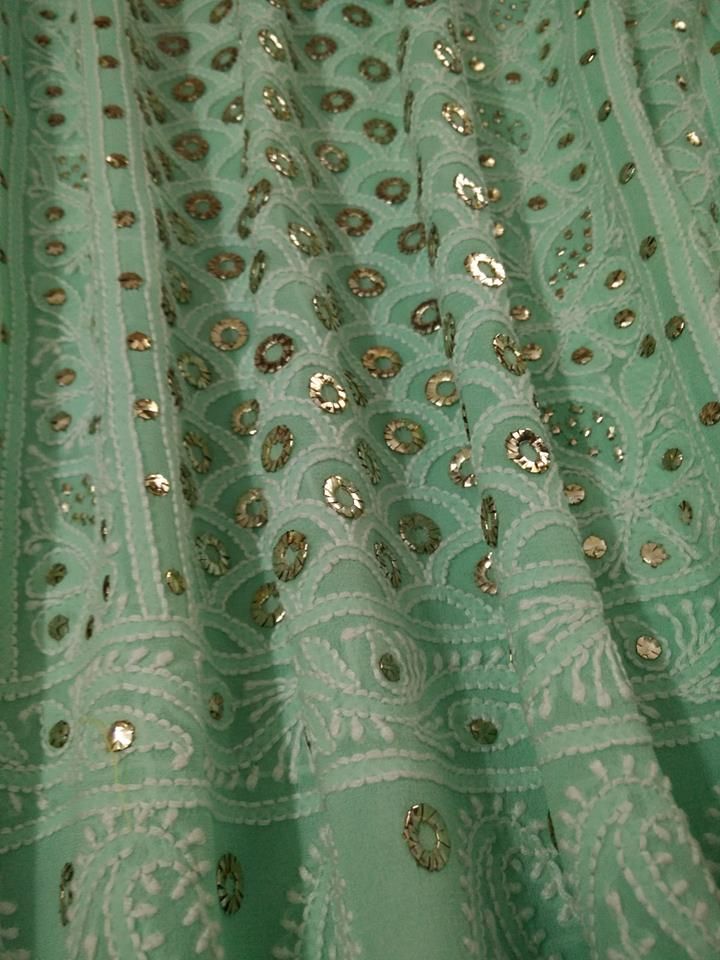
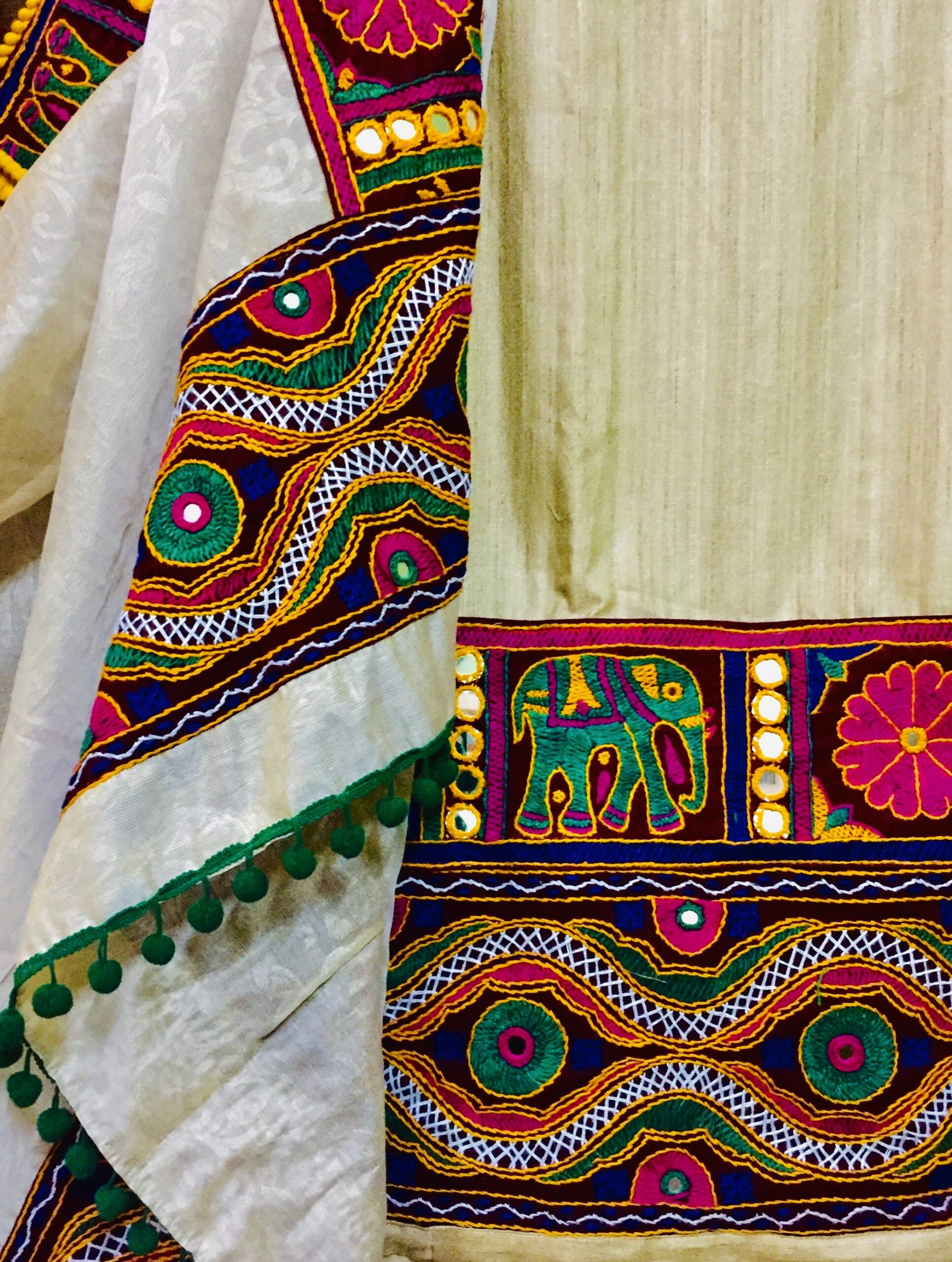
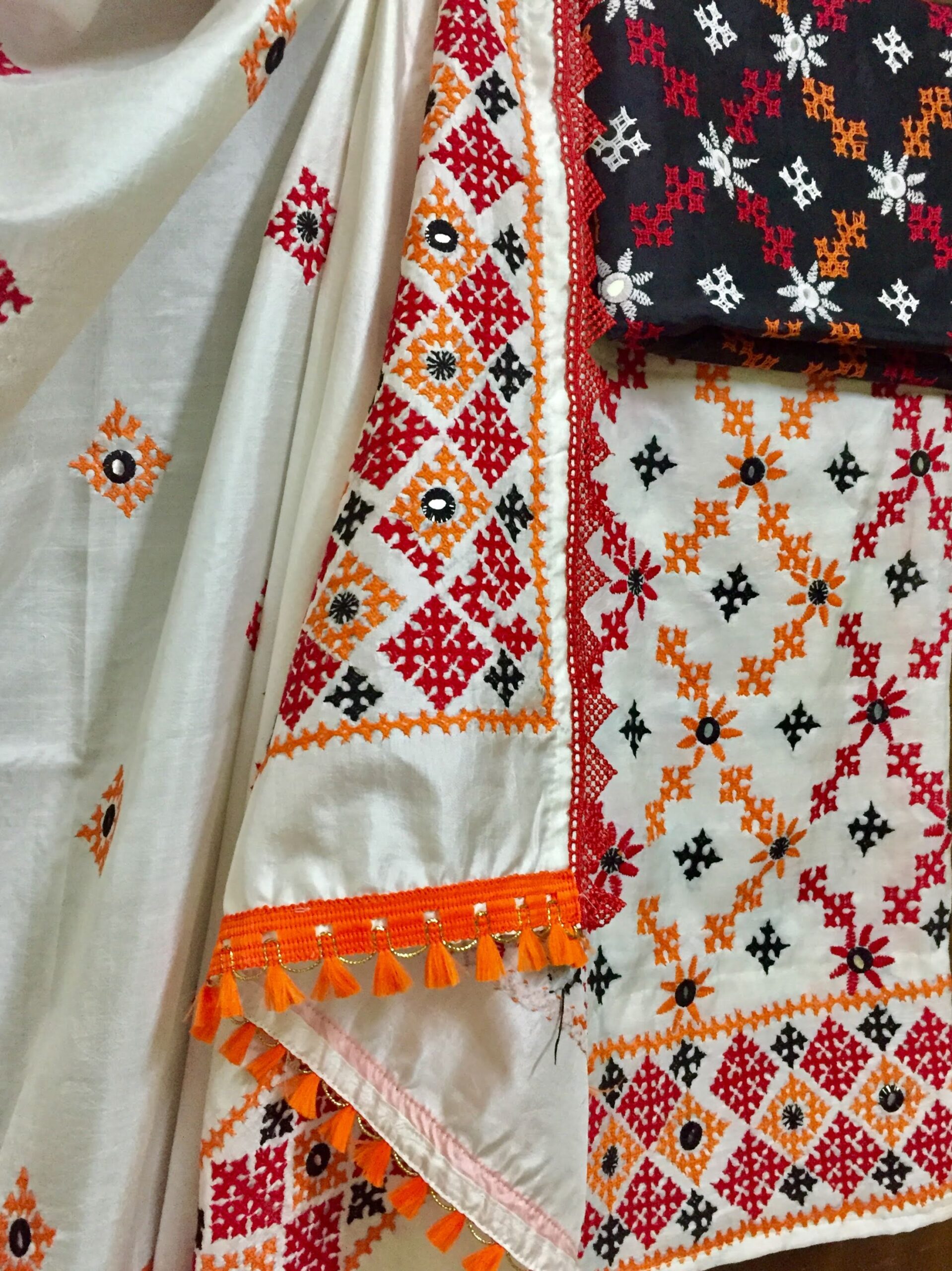
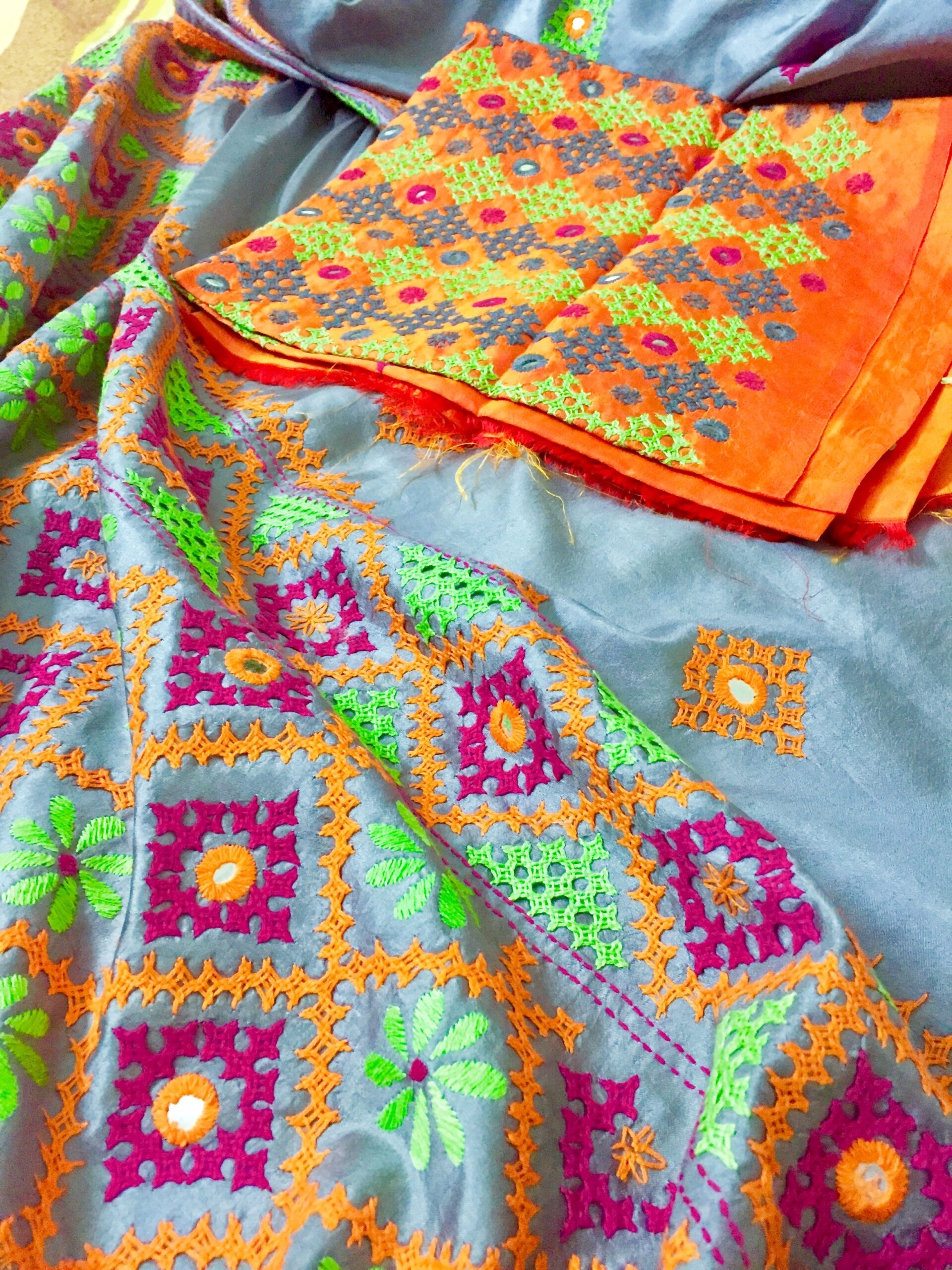
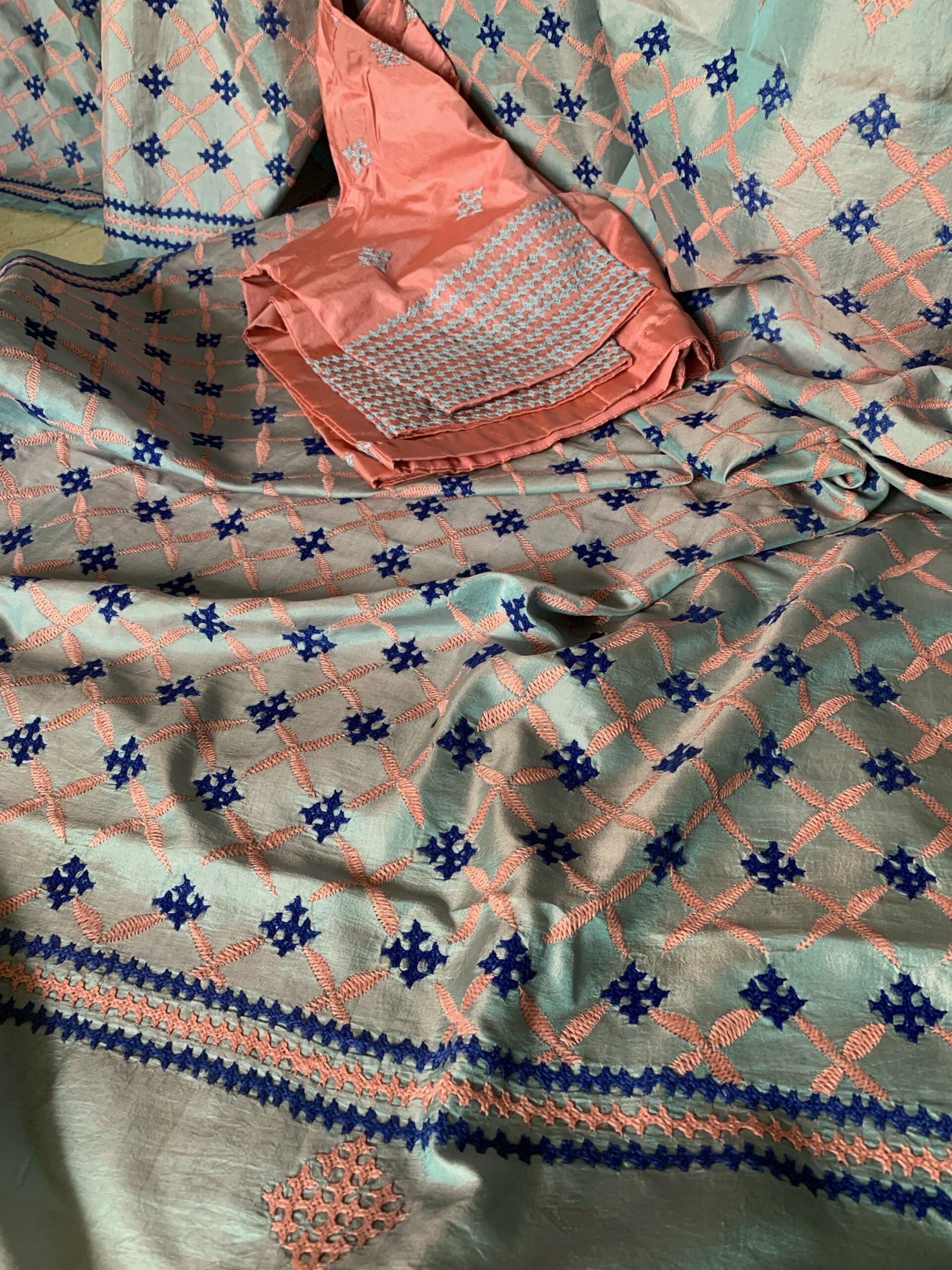
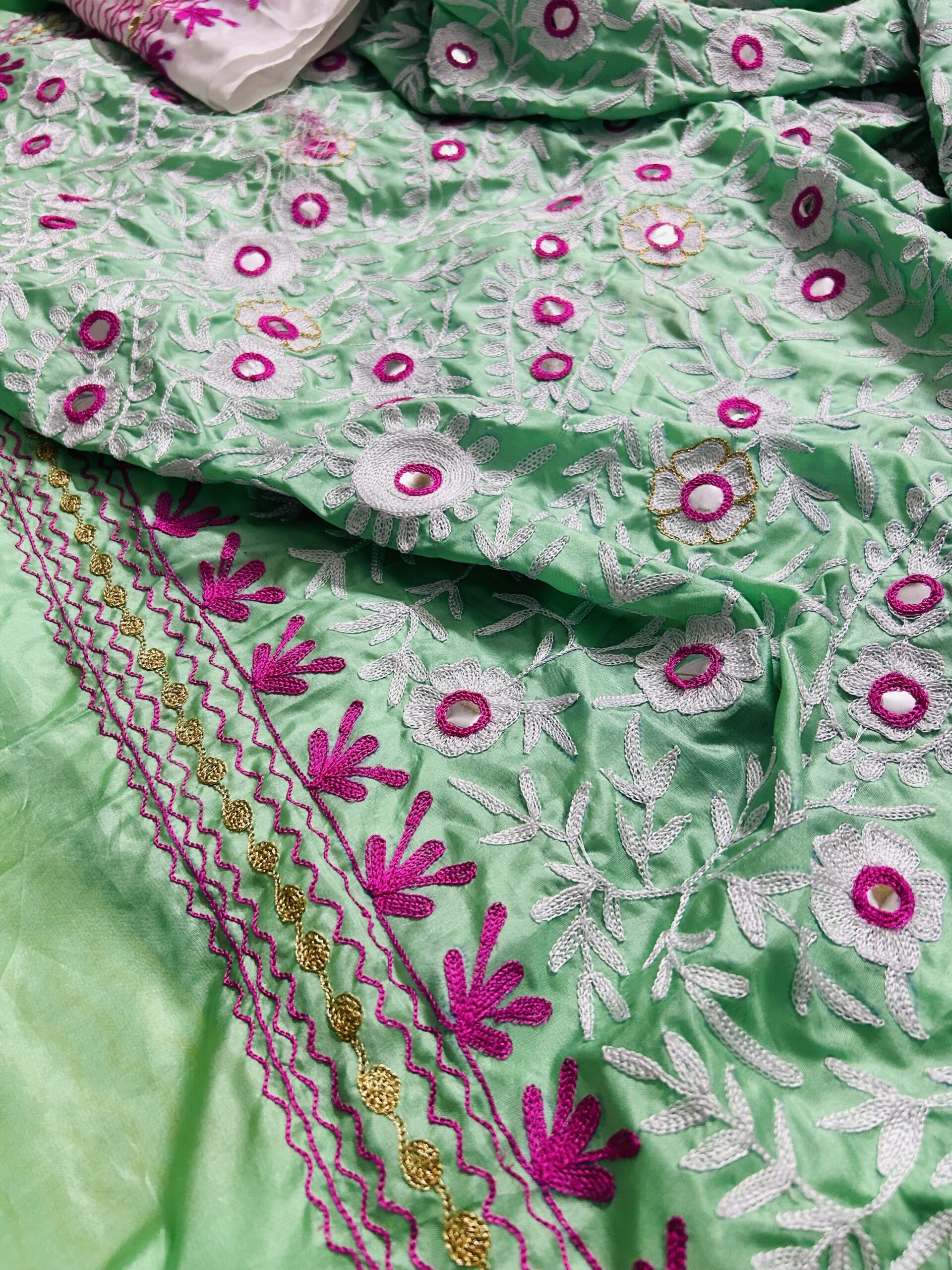
These share a common heritage rooted in the cultural exchanges across the border region of Kutch (Gujarat, India) and Sindh (Pakistan) and are celebrated for their vibrant colors, intricate stitches, geometric patterns and the prominent use of mirrors. The primary style often referred to as the "Gujarati Stitch" is a form of interlaced or woven square chain stitch, which creates a geometric, maze like pattern. These hand work are more than just a craft, it is an expression of the cultural identity of the various nomadic and tribal communities (such as the Rabari, Ahir, and Mutwa) who have practiced it for centuries
KASHMIRI DRAPES
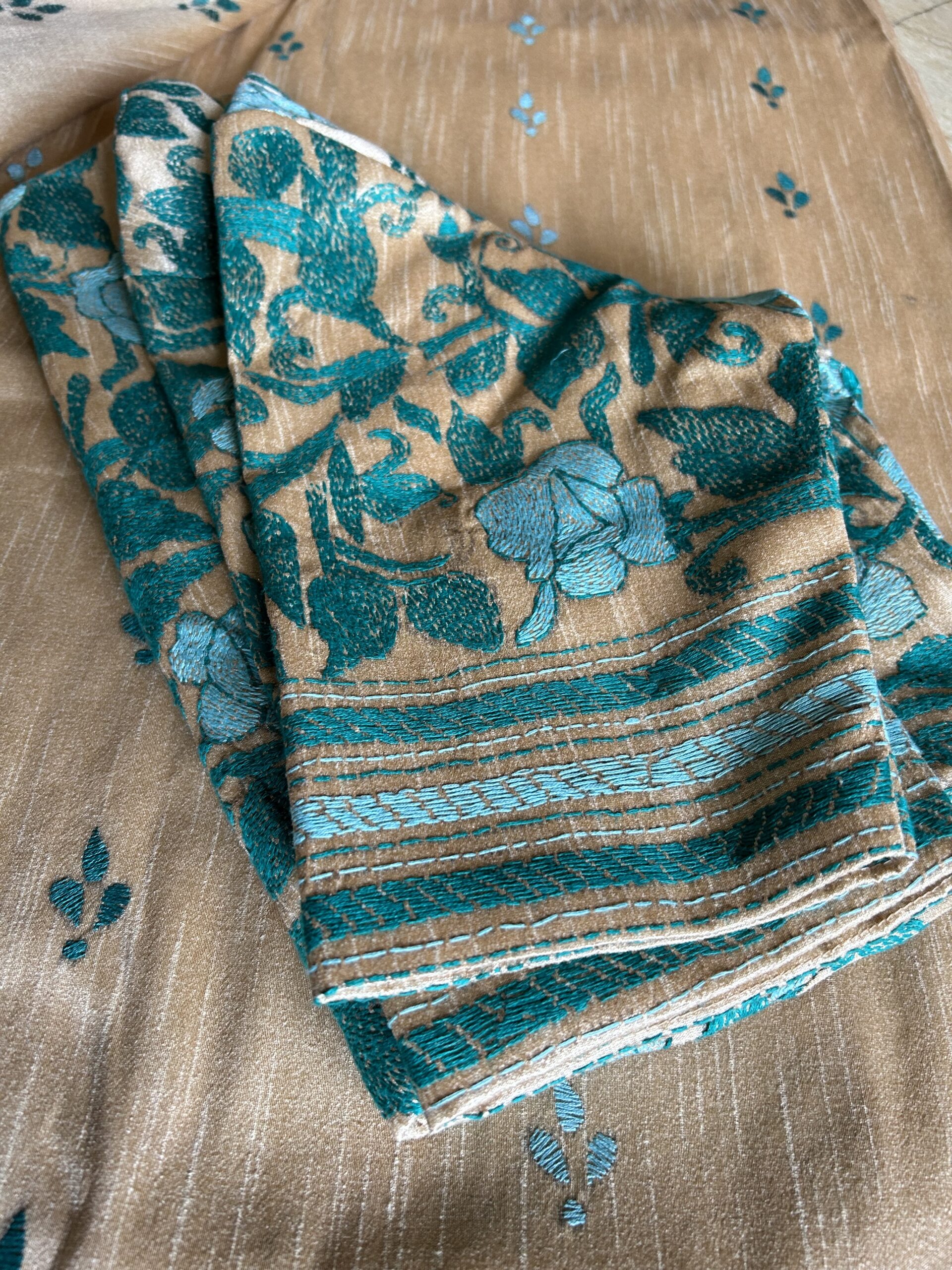
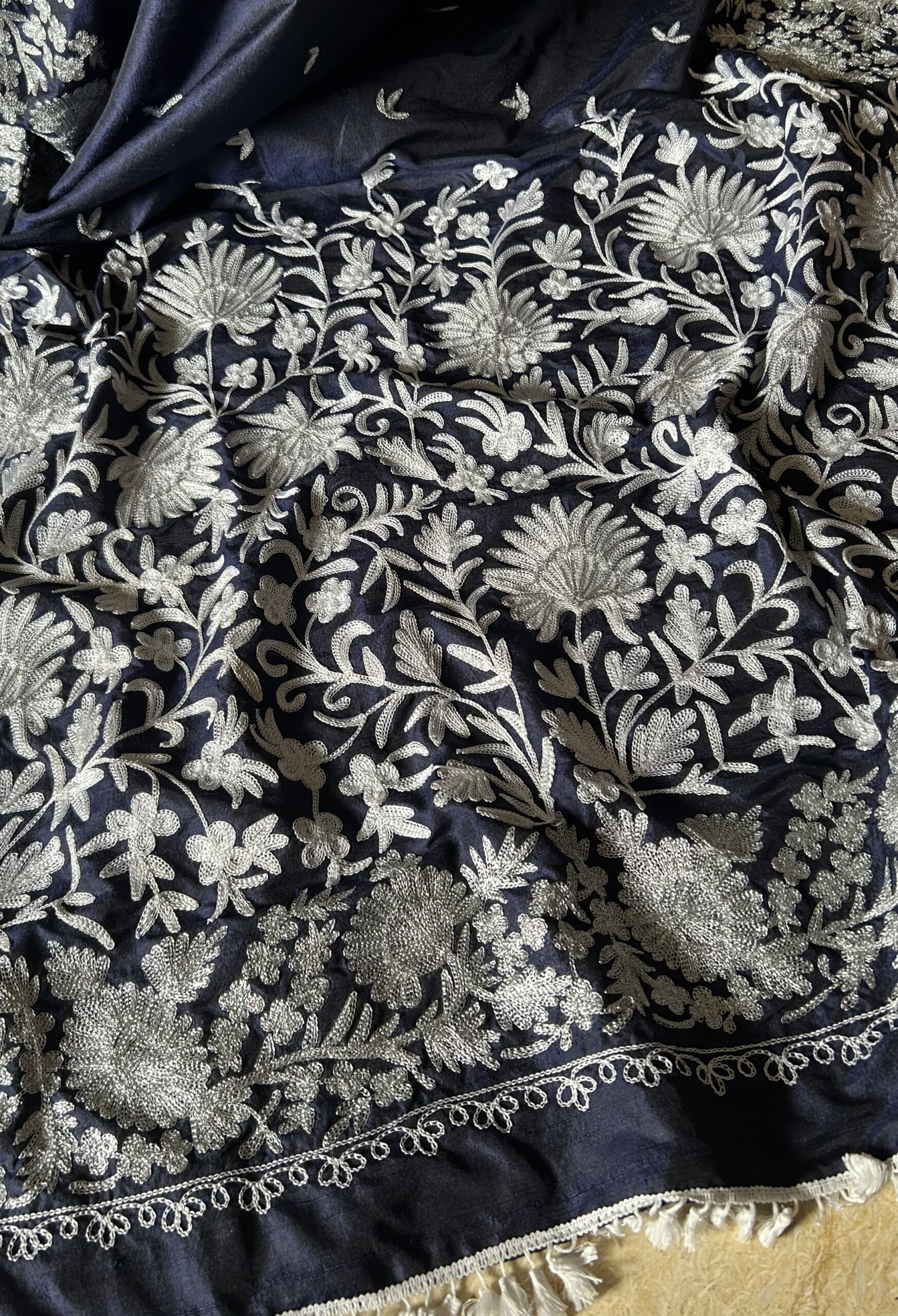
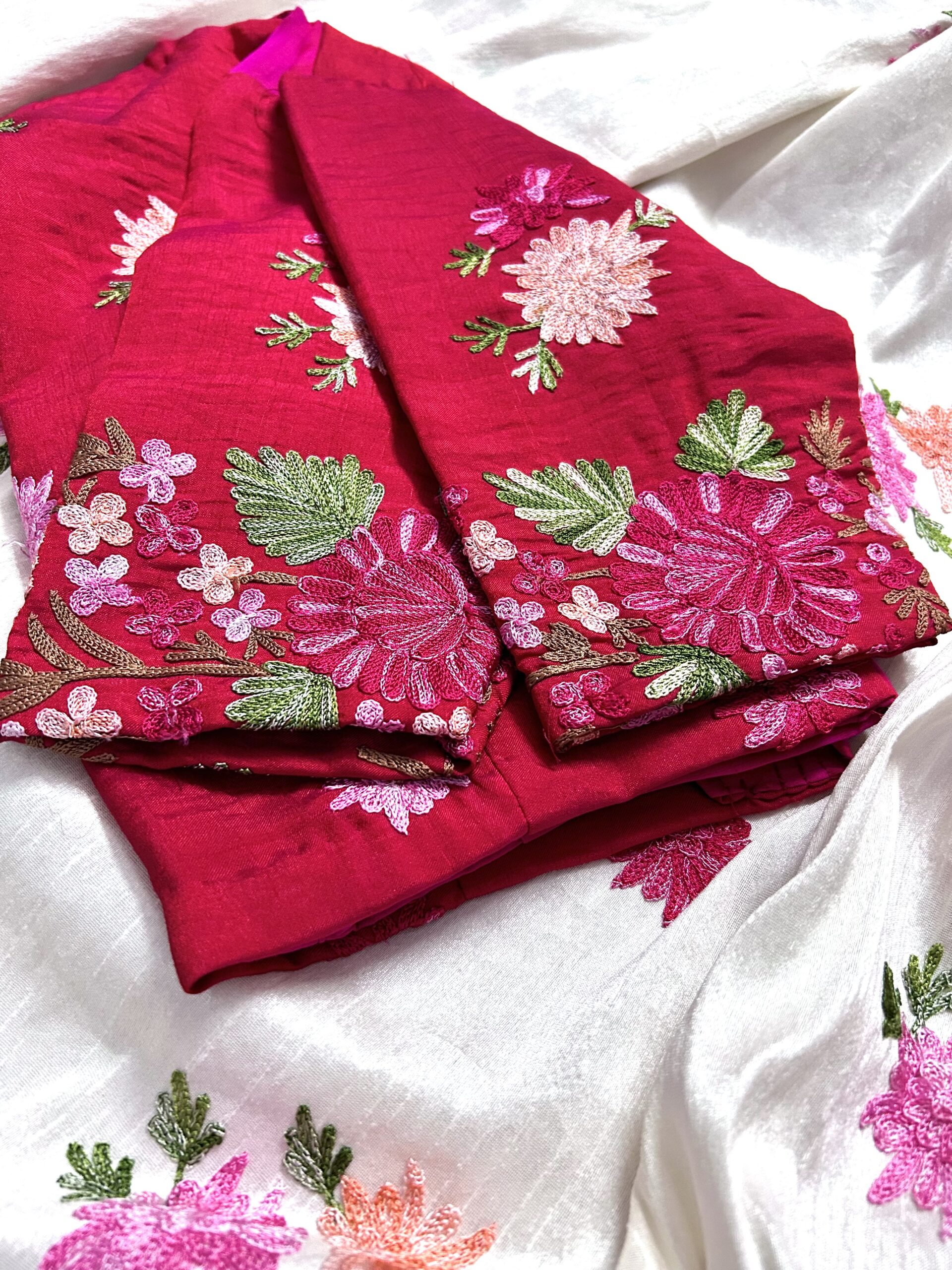
The most popular and common "Kashmiri stitch" is the chain stitch, also known locally as Zalakdozi, is a traditional and highly valued hand embroidery style from the Kashmir Valley. The fine continuous chain stitching (Aari) on luxurious fabrics like crepe, georgette, and silk gives Kashmiri drapes a timeless, sophisticated appeal. The designs are inspired by the natural beauty of Kashmir—Chinar leaves, lotuses, vines, and birds—providing a distinct aesthetic that is different from other regional embroidery styles.
CUSTOM-STYLED
Bespoke tailoring according to client's specifications and color preferences based on a particular theme or the latest trends.
PHULKARI FUSION
A renowned hand embroidery style from Punjab, literally translating to "flower work" (phul means flower kari means work)
Bagh Phulkari (the traditional one)The name Bagh literally translates to "garden," as the extensive, vibrant embroidery makes the fabric appear like a blooming garden. It is deeply rooted in Punjabi culture and tradition, historically created by women for family use on special occasions like weddings and festivals, often as part of a bride's trousseau.
Parsi Phulkari is not a distinct, traditional style but contemporary and a more popular one that feature Parsi style motifs & stitches.
KANTHA STORIES
Kantha embroidery originated in Bengal is a modern adaptation of the centuries-old traditional Kantha embroidery, which was historically used to create functional household items like quilts and blankets from layered old fabrics like torn sarees. It is primarily defined by the versatile running stitch, known locally as kantha phor. This simple, straight stitch is the foundation of the craft, used to bind layers of fabric together and create a textured, slightly rippled surface. In the 20th century, the craft faced a decline but was later revived as a commercial art form, transitioning from a domestic necessity to a significant trend in Indian fashion as Kantha Sarees. The shift from utilitarian quilts to wearable fashion like sarees was not a continuous tradition but a deliberate revival and commercialization process
THE LEGACY OF CHIKANKARI
Chikankari is a renowned, delicate, and artistic traditional hand embroidery style that originated and flourished in Lucknow. The word Chikan is derived from the Persian word chikeen or chikan, meaning "embroidered fabric". This craft is famous for its subtle elegance and intricate shadow work, with artisans typically using fine white cotton thread on soft, light fabrics. Originally, it was exclusively "white-on-white" embroidery on fine white muslin. Today, it has evolved to incorporate colored threads and a variety of fabrics like viscose, linens, georgettes, silks, organzas, to name a few.
GUJARATI / SINDHI / KUTCH DIARIES
These share a common heritage rooted in the cultural exchanges across the border region of Kutch (Gujarat, India) and Sindh (Pakistan) and are celebrated for their vibrant colors, intricate stitches, geometric patterns and the prominent use of mirrors. The primary style often referred to as the "Gujarati Stitch" is a form of interlaced or woven square chain stitch, which creates a geometric, maze like pattern. These hand work are more than just a craft, it is an expression of the cultural identity of the various nomadic and tribal communities (such as the Rabari, Ahir, and Mutwa) who have practiced it for centuries
KASHMIRI DRAPES
The most popular and common "Kashmiri stitch" is the chain stitch, also known locally as Zalakdozi, is a traditional and highly valued hand embroidery style from the Kashmir Valley. The fine continuous chain stitching (Aari) on luxurious fabrics like crepe, georgette, and silk gives Kashmiri drapes a timeless, sophisticated appeal. The designs are inspired by the natural beauty of Kashmir—Chinar leaves, lotuses, vines, and birds—providing a distinct aesthetic that is different from other regional embroidery styles.
CUSTOM-STYLED
Bespoke tailoring according to client's specifications and color preferences based on a particular theme or the latest trends.